Source High Carbon Steel Pulaski Axe for Firefighting, Forestry, and Emergency Response
Source high carbon steel pulaski axe tools from 30 verified listings. Compare specifications including head weights, handle materials like wood or fiberglass, and overall lengths to find the right equipment for industrial and outdoor applications.
Key considerations
Products List



Comprehensive Sourcing Guide
High Carbon Steel Pulaski Axe Sourcing Guide
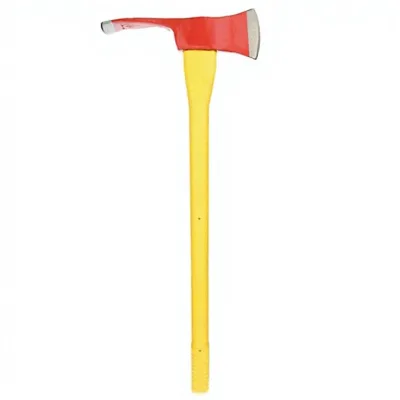
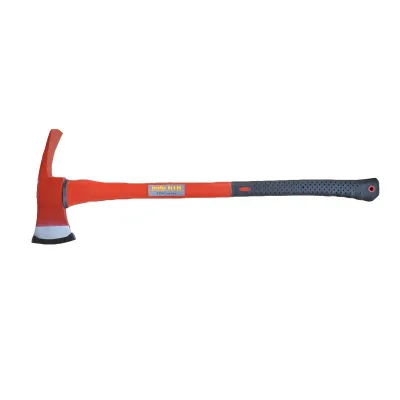
Sourcing high carbon steel pulaski axes requires a nuanced understanding of tool geometry, metallurgy, and supply chain dynamics specific to forestry and firefighting equipment. A pulaski is a specialized combination tool featuring an adze on one side and a hatchet-like blade on the other, designed for digging fire lines and cutting vegetation. While the core keyword specifies a "pulaski," the observed market data reveals a diverse inventory of axe-type tools, including splitting mauls, felling axes, and pick-head variants. Buyers must carefully distinguish between true pulaski configurations and general-purpose axes to ensure the procurement aligns with operational needs. The presence of high carbon steel in the product attributes indicates a focus on durability and edge retention, which are critical for heavy-duty outdoor applications.
The procurement landscape for these tools is characterized by significant variation in specifications, from handle materials to head weights. Suppliers listed in the data offer products ranging from 500g to 4KG in weight, with overall lengths varying from 50cm to 90cm. This diversity suggests that buyers cannot rely on a single standard specification for all their needs. Instead, they must define precise requirements based on the intended user strength and task intensity. The availability of OEM, ODM, and OBM support further indicates that many manufacturers are open to customization, allowing organizations to brand tools for specific teams or integrate unique design features. Understanding these variables is essential for building a robust and flexible supply chain.
Product Scope and Observed Listing Signals
The observed product listings reveal a broad spectrum of axe-related items rather than a narrow focus on pulaskis alone. Key attributes include materials such as 1045# steel and high carbon steel, with handles made from wood or fiberglass. The cutting edge lengths vary significantly, with observations of 2 inches, 3 inches, and 3 1/2 inches. This variation highlights the importance of verifying the exact blade geometry before placing an order. For instance, a 2-inch edge may be suitable for lighter vegetation cutting, while a 3 1/2-inch edge might be better for heavier felling tasks. Buyers should treat these observed specifications as a baseline for inquiry rather than a definitive catalog of available pulaski models.
Brand presence and origin are also prominent signals in the current market. The brand "Jinfu" and "jinfutools" appear frequently, with origins primarily in Shandong and Tangshan, Hebei, China. These regions are known for their manufacturing capabilities in hand tools and agricultural equipment. The condition of the products is consistently listed as "New," and packaging is typically done in carton boxes. Additionally, the selling units are often single items, which simplifies inventory management for small to medium-sized orders. However, the MOQ (Minimum Order Quantity) ranges widely from 1 to 4800 units, indicating that suppliers cater to both individual buyers and large-scale industrial procurement. This flexibility allows buyers to test the market with small orders before committing to larger volumes.
Technical Specifications to Verify
When evaluating high carbon steel pulaski axes, the head weight and overall length are critical technical parameters that affect usability and efficiency. Observed data shows head weights ranging from 3 lb to 3.5 lb, with some products weighing up to 4KG. These variations significantly impact the tool's swing dynamics and user fatigue. Buyers must verify the exact head weight to ensure it matches the physical capabilities of the end-users. Similarly, the overall length, observed between 50cm and 90cm, determines the leverage and reach of the tool. A shorter handle may offer better control in tight spaces, while a longer handle provides more power for deep digging or heavy cutting.
The material composition and handle construction are equally important for long-term durability. The supplied facts mention 1045# steel and high carbon steel for the heads, which are known for their hardness and ability to hold a sharp edge. However, the hardness level and heat treatment process are not specified in the observed data and must be verified with the supplier. The handle materials are listed as wood or fiberglass, each offering distinct advantages. Wooden handles provide a traditional feel and shock absorption, while fiberglass handles offer greater resistance to breaking and environmental degradation. Buyers should request detailed material certifications and handle attachment methods to ensure the tool can withstand rigorous use.
Compliance and Safety Documentation
Safety and compliance are paramount when procuring tools used in industrial and forestry settings. Although specific certification standards like ISO 27001:2022 are mentioned in the background data, this standard relates to information security and is not directly relevant to physical tool safety. Buyers should instead focus on verifying compliance with relevant occupational safety standards, such as ANSI or EN norms for hand tools, which govern aspects like impact resistance, handle integrity, and blade sharpness. Suppliers should be asked to provide test reports or compliance certificates that demonstrate their products meet these safety benchmarks. This due diligence helps mitigate liability and ensures that the tools are safe for workers to use in hazardous environments.
Documentation regarding the manufacturing process and quality control is another critical area. Buyers should request information on the heat treatment procedures used for the high carbon steel heads, as improper treatment can lead to brittleness or premature dulling. Additionally, the customization options, such as OEM branding, should be clearly defined in the contract to avoid intellectual property disputes. The observed data indicates that customization is available, but the extent of this customization, including logo placement and packaging design, needs to be agreed upon in advance. Clear documentation of these terms ensures that the final product meets both safety and branding requirements.
Cost Drivers and Commercial Terms
The cost of high carbon steel pulaski axes is influenced by several factors, including material quality, manufacturing complexity, and order volume. The observed price range of 0.7 to 25 USD suggests a wide disparity in product quality and specifications. Lower-priced items may use thinner steel or simpler handle attachments, while higher-priced items likely offer superior metallurgy and ergonomic designs. Buyers should analyze the cost per unit in the context of the tool's expected lifespan and performance. Investing in higher-quality tools may reduce long-term replacement costs and improve worker productivity.
Commercial terms, such as MOQ and lead times, also play a significant role in procurement planning. The observed MOQ ranges from 1 to 4800 units, with some suppliers requiring a minimum of 500 units. Lead times are estimated at 30-45 days after order confirmation, with delivery ports like Xingang, Tianjin, being common. Buyers must align their order quantities with their inventory needs and budget constraints. For large orders, negotiating volume discounts and favorable payment terms can significantly reduce overall costs. Additionally, understanding the delivery port and logistics options helps in calculating the total landed cost, including shipping and customs duties.
Supplier Qualification and Quality Control
Selecting the right supplier is crucial for ensuring the reliability and consistency of high carbon steel pulaski axes. Buyers should prioritize suppliers with a proven track record in manufacturing hand tools and a clear understanding of quality control processes. The observed data indicates that many suppliers offer OEM, ODM, and OBM support, suggesting a level of manufacturing sophistication. However, buyers should verify the supplier's production capacity and quality assurance systems through audits or third-party inspections. This due diligence helps ensure that the supplier can meet volume requirements and maintain consistent product quality.
Quality control measures should be explicitly defined in the procurement agreement. Buyers should request samples for testing before placing bulk orders to evaluate the tool's balance, edge retention, and handle durability. Additionally, establishing clear acceptance criteria for defects, such as chipped blades or loose handles, is essential. The observed data mentions that products are "New" and come in "Carton Packing," but buyers should specify packaging requirements to prevent damage during transit. Implementing a robust quality control process, including pre-shipment inspections, helps minimize the risk of receiving substandard products and ensures that the tools meet the organization's operational standards.
Long-Term Procurement Checks
Long-term procurement success depends on continuous monitoring of supplier performance and market trends. Buyers should establish key performance indicators (KPIs) to track supplier reliability, including on-time delivery rates, product defect rates, and responsiveness to issues. Regular reviews of these metrics help identify potential problems early and foster a collaborative relationship with suppliers. Additionally, staying informed about advancements in tool materials and manufacturing techniques can provide opportunities for cost savings and performance improvements. For example, innovations in fiberglass handle technology or steel alloys may offer better durability and user comfort.
Sustainability and ethical sourcing are increasingly important considerations in modern procurement. Buyers should inquire about the supplier's environmental practices and labor standards to ensure alignment with corporate social responsibility goals. The observed data mentions customization options, which can be leveraged to promote sustainable practices, such as using eco-friendly packaging materials. By integrating these considerations into the procurement strategy, organizations can build a resilient and responsible supply chain that supports long-term business objectives. Regular communication with suppliers and periodic re-evaluation of contracts help maintain high standards and adapt to changing market conditions.
FAQs
What materials are used for the axe head and handle?
The axe head is made of high carbon steel or 1045# steel, while handles vary between wood and fiberglass. This combination ensures durability and effective splitting or felling performance for industrial applications.
Which axe types are available from this supplier?
Available types include splitting mauls, pick head axes, felling axes, and hammer axes. Each model features specific head weights ranging from 3 to 3.5 pounds to suit different cutting and splitting tasks.
Can I request custom branding or design modifications?
Yes, OEM, ODM, and OBM customization support is available for many models. Buyers can request specific branding or design changes, though some items may be listed as non-customized depending on the specific model number.
What is the typical lead time for orders?
The delivery time is approximately 30 to 45 days after confirming the order. This timeline applies to standard production runs and may vary based on order volume and specific customization requirements.
Where are these axes manufactured and shipped from?
Products originate from manufacturing locations in Shandong and Tangshan, Hebei, China. Shipments are typically dispatched via the Xingang port in Tianjin, ensuring reliable logistics for international buyers.
What are the standard packaging and weight specifications?
Items are packed in carton boxes with head weights ranging from 3 to 4 kilograms. Overall lengths vary between 50cm and 90cm, with cutting edges typically measuring between 2 and 3.5 inches.